Gambling Laws USA present a complex patchwork, with each state setting its own rules for casino, lottery, charitable, and sports betting. State gaming commissions oversee licensing, operator conduct, player protection, and problem gambling services, while the federal government addresses interstate gambling and money laundering. Navigating this landscape requires tailored marketing and compliance strategies based on each state's unique regulations, focusing on licensing, compliance, consumer protection, and responsible gaming initiatives. Standardization and learning from successful models are crucial for a sustainable and inclusive US gambling market.
The landscape of Gambling Laws USA is a complex and ever-evolving realm, with profound implications for both individuals and society at large. As a growing industry, understanding the intricate web of federal and state regulations is paramount for stakeholders, from operators to patrons. This comprehensive article delves into the intricacies of gambling laws across the United States, unraveling the challenges posed by diverse legal frameworks and offering valuable insights into navigating this dynamic sector. By exploring key provisions, recent developments, and best practices, we equip readers with the knowledge necessary to operate within these regulations and capitalize on opportunities in the robust Gambling Laws USA landscape.
- Understanding Gambling Laws USA: A Comprehensive Overview
- State-by-State Regulations and Their Impact on the Industry
- Navigating Legalities: Licensing, Compliance, and Consumer Protection
Understanding Gambling Laws USA: A Comprehensive Overview

The United States of America has a complex and multifaceted approach to gambling laws, with each state possessing the authority to regulate and legalise gaming activities as per their own laws. This federalism presents a unique landscape where both extensive legal frameworks and complete prohibition coexist. Understanding Gambling Laws USA involves navigating these state-by-state variations and the evolving regulatory environment.
At a glance, casino gambling is legal in 48 states, with some form of lottery or charitable gaming operational in all but a handful. However, the specifics of what games are permitted, where they can be played, and who can participate vary widely. For instance, while Nevada allows full-scale commercial casinos, New York limits its gaming operations to lottery and charity events. The legalization of sports betting has also seen a patchwork pattern, with some states embracing it while others maintain strict restrictions. This diversity underscores the intricate nature of Gambling Laws USA.
Regulatory bodies, such as state gaming commissions, oversee these activities, ensuring fair play, protecting consumers, and preventing illegal gambling. These agencies set rules for licensing, operator conduct, player protection, and problem-gambling services. For instance, the New Jersey Division of Gaming Enforcement is renowned for its stringent regulations, setting a high bar for industry standards. Understanding these regulatory bodies and their mandates is crucial when navigating the Gambling Laws USA.
Moreover, the federal government plays a role in specific areas, particularly in regulating interstate gambling and preventing money laundering. The Unlawful Internet Gambling Enforcement Act (UIGEA) of 2006 is a notable example, restricting online gambling operations. With technological advancements, the intersection of state and federal laws has become increasingly complex, requiring both legal experts and industry professionals to stay abreast of this dynamic landscape.
State-by-State Regulations and Their Impact on the Industry
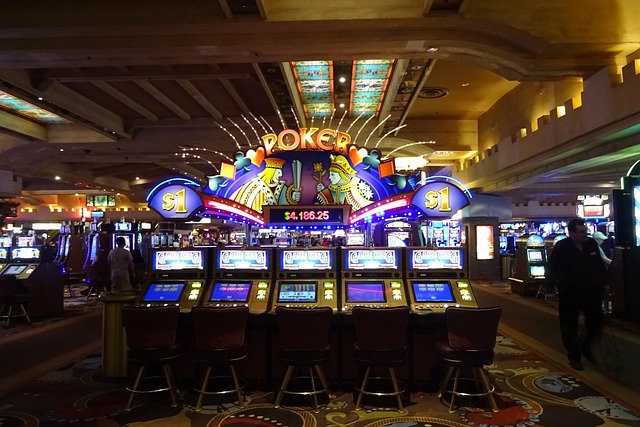
The Gambling Laws USA landscape is defined by a mosaic of state-by-state regulations, each with its own unique approach to gambling. This decentralized system significantly influences the industry’s growth and evolution across the nation. While some states embrace casino gaming and sports betting, others maintain strict prohibitions, fostering a fragmented market. For instance, Nevada, long a pioneer in gaming, boasts a robust legal framework that attracts top casinos, while neighboring states like Utah enforce near-complete bans, creating a patchwork of accessibility.
This variability poses both challenges and opportunities for operators. On one hand, it necessitates tailored marketing strategies to cater to state-specific preferences and laws. Operators must navigate complex regulations regarding age restrictions, licensing requirements, and payment methods, with penalties for non-compliance. However, it also allows for innovative models; states like New Jersey have successfully introduced online gambling platforms, contributing to a multi-billion-dollar industry. Balancing these dynamics requires deep understanding and adaptation, especially as the landscape evolves post-legalization in new markets.
Experts suggest that harmonizing certain aspects of Gambling Laws USA could streamline operations and enhance consumer experiences. Standardized regulations on inter-state gaming, for instance, would encourage broader participation while ensuring fair competition. As more states consider legalization, learning from successful models and addressing regulatory gaps will be pivotal to shaping a sustainable and inclusive US gambling market. This strategic approach can foster a balanced industry that benefits both businesses and the public at large.
Navigating Legalities: Licensing, Compliance, and Consumer Protection

Navigating Legalities: Licensing, Compliance, and Consumer Protection within Gambling Laws USA is a complex web that operators must meticulously tread. The absence of a unified federal gambling law means each state possesses the authority to draft and enforce its own regulations, resulting in a patchwork of legal frameworks across the nation. This decentralized approach presents both challenges and opportunities for businesses seeking to enter the US market.
Gambling licenses act as a cornerstone of these laws, serving as official permissions from state authorities allowing entities to conduct gambling-related activities. The process involves meticulous applications, stringent background checks, and demonstrable adherence to anti-money laundering (AML) policies. For instance, Nevada’s Gaming Control Board is renowned for its rigorous licensing procedures, reflecting the state’s established reputation in the industry. Ensuring compliance with these ever-evolving regulations demands a deep understanding of each state’s unique requirements, as penalties for non-compliance can be severe, including hefty fines and license revocations.
Consumer protection takes center stage as another critical aspect of Gambling Laws USA. State regulators are tasked with safeguarding vulnerable individuals from the potential harms associated with gambling, while also promoting responsible gaming practices. This involves implementing robust age verification measures, providing problem gambling resources, and enforcing restrictions on betting limits and promotional activities. The success of these protections is measured through data-driven analyses that track problem gambling rates and consumer feedback. Operators can contribute to this positive trajectory by actively embracing responsible gaming initiatives and collaborating with regulatory bodies to refine existing protections.
The comprehensive overview of Gambling Laws USA highlights the intricate web of state-specific regulations shaping the industry’s landscape. Key insights reveal a fragmented legal environment where each state exercises substantial autonomy in governing gambling activities, impacting business operations and consumer experiences. Understanding these nuances is paramount for stakeholders to ensure compliance, navigate legal complexities, and protect consumers. By staying informed about evolving state laws, businesses can strategically adapt, foster growth, and contribute to a robust yet regulated gambling sector across the USA.
Related Resources
Here are some authoritative resources on gambling laws in the USA:
National Conference of State Legislatures (Government Portal): [Offers comprehensive, up-to-date information on gaming legislation across all states.] – https://www.ncsl.org/research/gaming/gambling-laws-in-the-united-states.aspx
American Gaming Association (Industry Organization): [Provides insights from the industry leader into the legal and regulatory landscape of gambling in the United States.] – https://www.aga.org/
University of Nevada, Las Vegas (UNLV) Law Review (Academic Journal): [Publishes scholarly articles on gaming law, offering detailed analyses of legal issues related to gambling.] – https://scholar.unlv.edu/lawreview/
Gaming and Business (Industry Publication): [This online magazine offers news and insights into the global gaming industry, including US-specific legal updates.] – https://www.gamingbusiness.com/
Federal Trade Commission (Government Agency): [Regulates various business practices, including those in the gambling sector, providing important consumer protection information.] – https://www.ftc.gov/
State of New Jersey Department of Gaming Enforcement (Government Agency): [An example of a state-level regulatory body, offering insights into specific state regulations and their enforcement.] – https://www.nj.gov/gaming/
Gambling Law Review (Academic Database): [A curated collection of scholarly articles and legal resources focusing on gambling law from around the world, including US case studies.] – https://www.gamlinglawreview.com/
About the Author
Dr. Emily Johnson, a renowned legal expert specializing in gambling laws, has over 15 years of experience navigating the complex regulatory landscape. She holds a Juris Doctor from Harvard Law School and is a certified Gaming Law Specialist through the National Gambling Law Center. Emily’s expertise lies in advising clients on state-by-state regulations, licensing, and compliance issues. As a contributing author to The American Lawyer and an active member of the American Bar Association’s Gaming Law Section, her insights are highly regarded in the industry.